Price Range: $2800-$8000
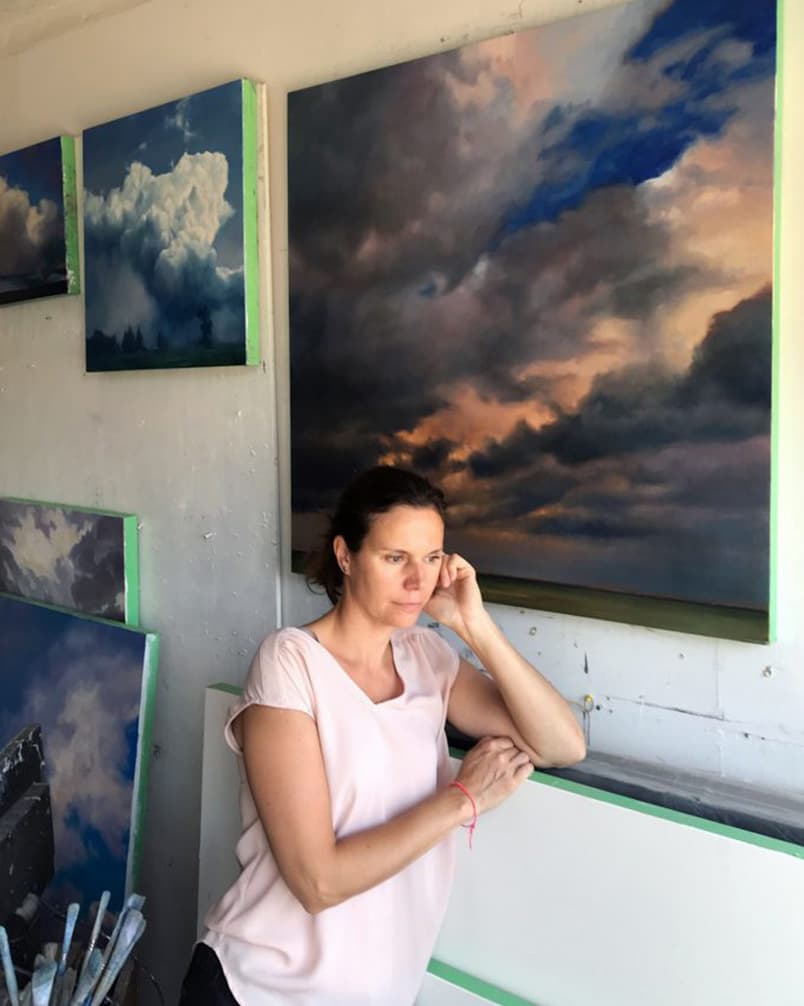
Elzbieta Krawecka
Within these paintings, movement and space pose a question which pertains to entering a work where place and time are undefined. What is required is something personal; a thought, a color, an ephemeral quality of sunlight… a timeless sky as a universal space of collective memory.
With their low horizon lines, sculpted cloud formations and chiaroscuro lighting, Elzbieta’s swelling skyscapes recall the compositional techniques reminiscent of Van Ruisdael’s View of Haarlem from the Dunes at Oveveen (1670). Continuing the tradition of seventeenth-century Dutch landscape paintings, where the sky or water fills almost three-quarters of the picture space, Elzbieta’s personal take on the landscape is further touched by the quality of her own contemporaneity and nostalgia for turner’s subtle treatment of light and space, Caravaggio’s dramatic use of tenebresco, Monet’s organization of tone and pattern, and the forceful energy of nineteenth-century Polish painters like Chelmonski, Gierymski and Kotsis.
Elzbieta’s paintings depict large open spaces, such as skies and surfaces, defined by pattern formations which seem to always be on the brink of change.
Her skyscapes are an ongoing exploration of the nature of light and its potential to describe space in terms of movement. In her approach to the ever-changing subject matter of landscape, Elzbieta strives to capture the constant movement of the skies and of light itself, which results in an atmospheric blurring of boundaries between masses of land, bodies of water, and sky – between solid and void, matter and light.
At times seeping with the rich hues of a sublime sunset or the brooding darkness of an impending storm the paintings are at once inviting and ominous to the viewer. Despite the variance among Elzbieta’s skyscapes, the ultimate thesis underlying her series is the ubiquitous nature of the sky. This is to say, the sky refers to a universal space of collective, rather than individual, memory.
Available Works
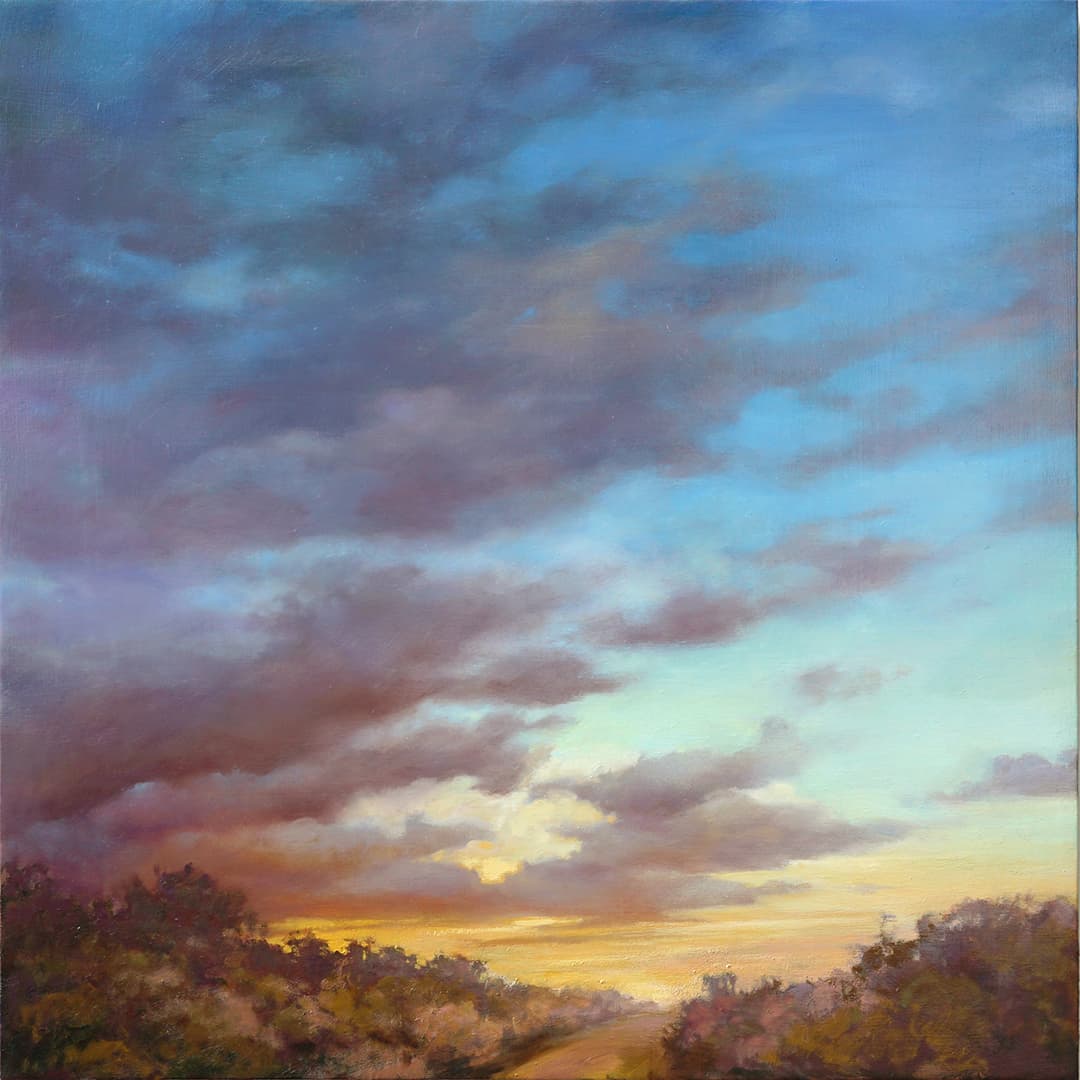
Haste of Light

The Light Between
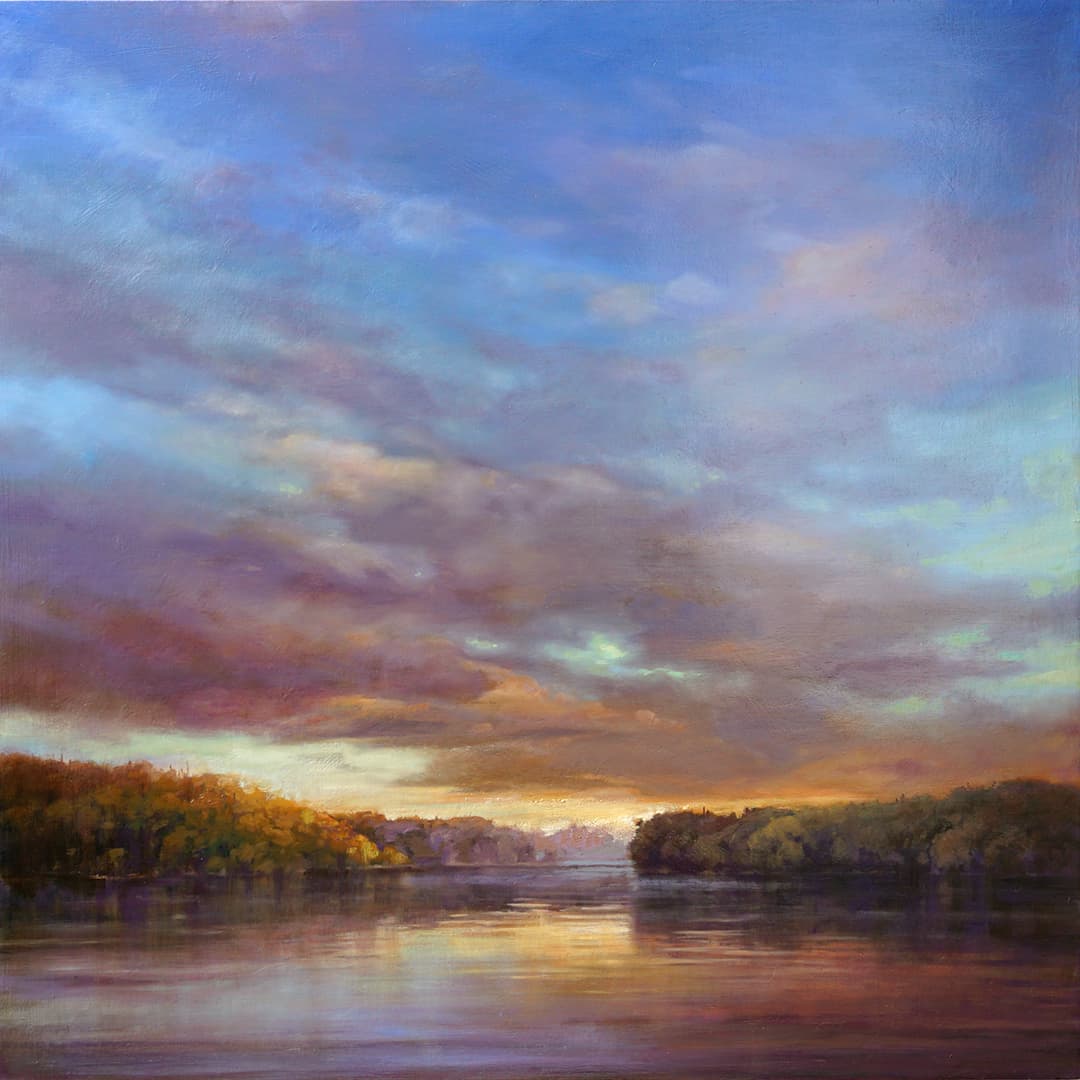
A Quiet Glow
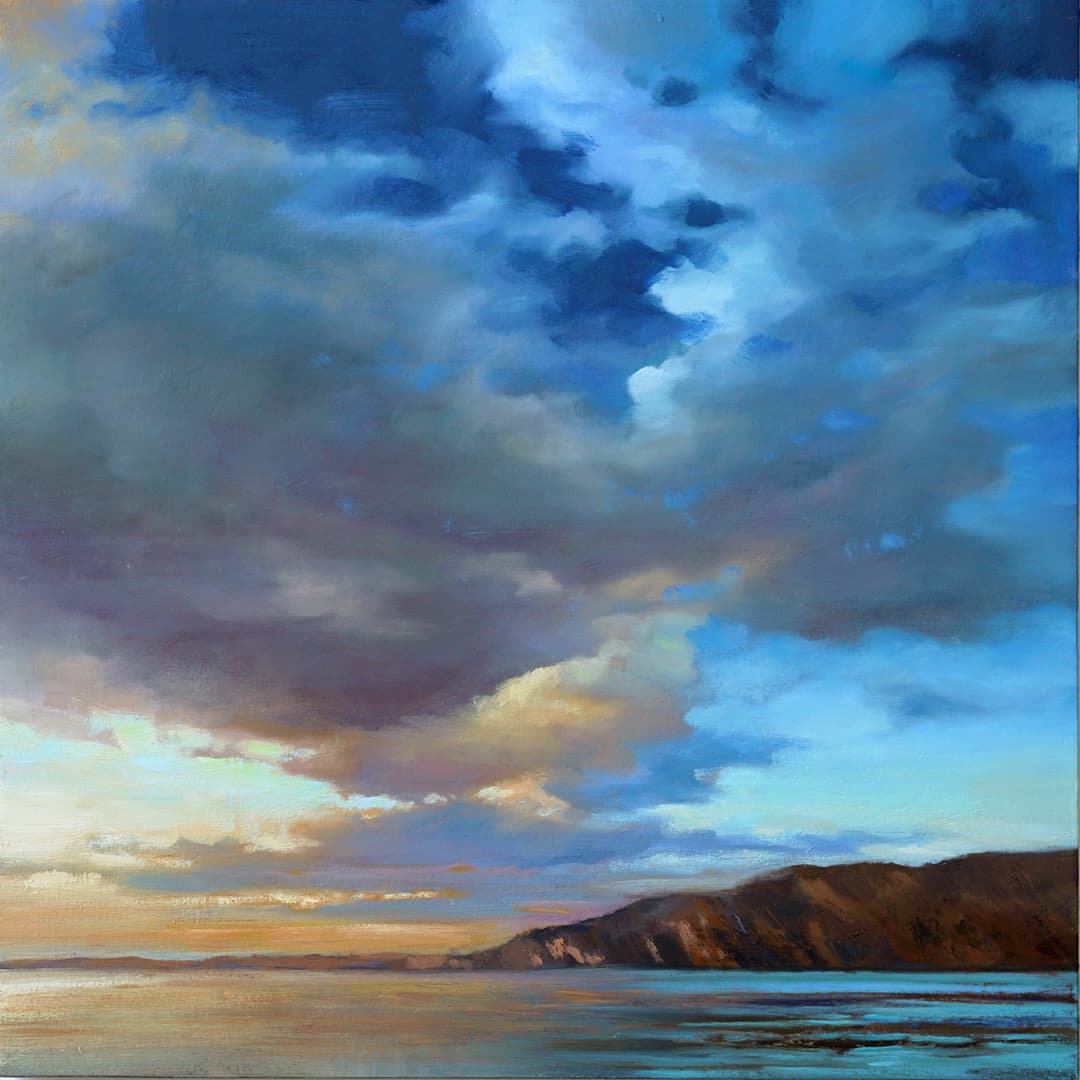
Never Just Passing Through
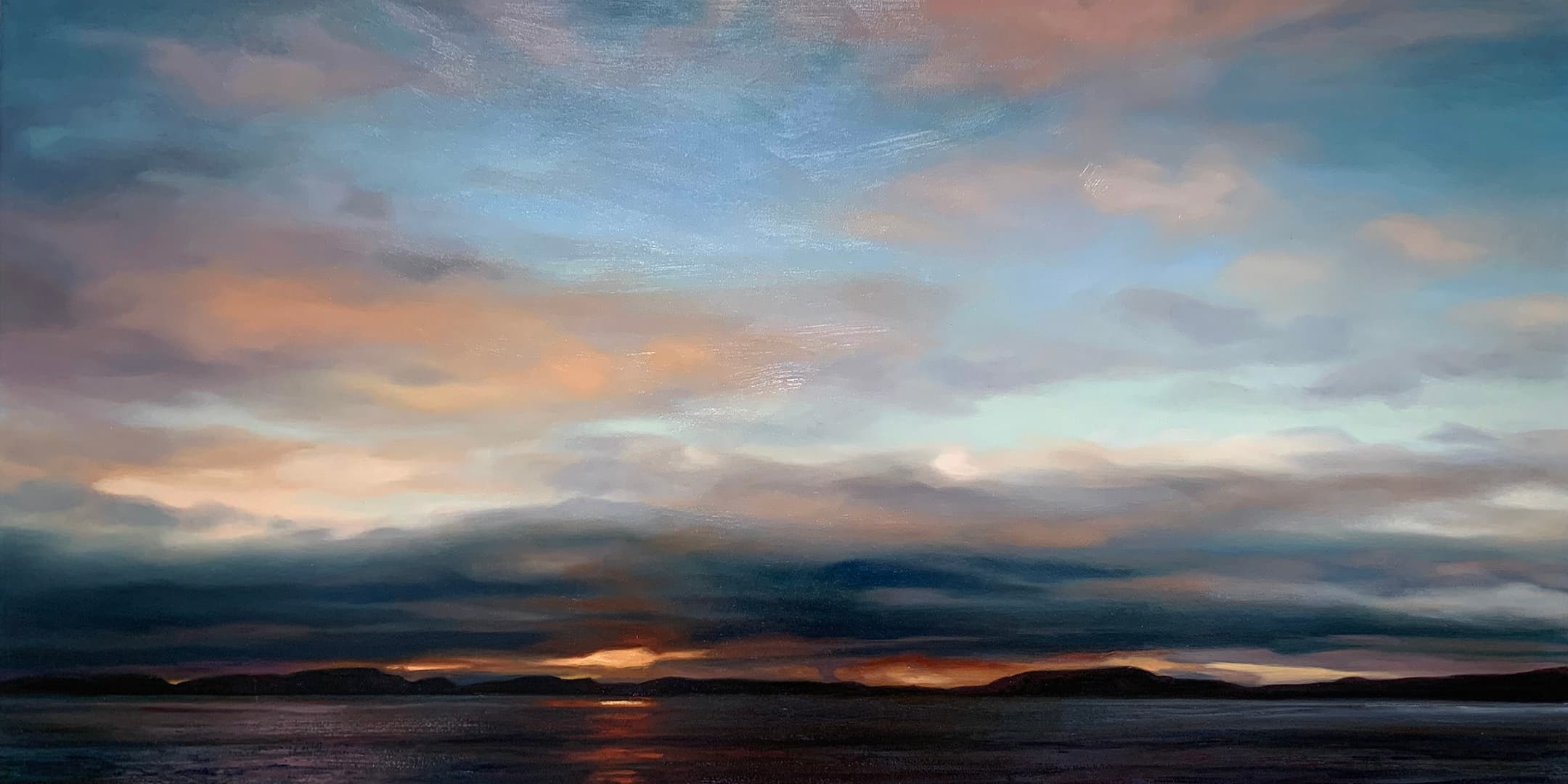
Always Be Your Maybe
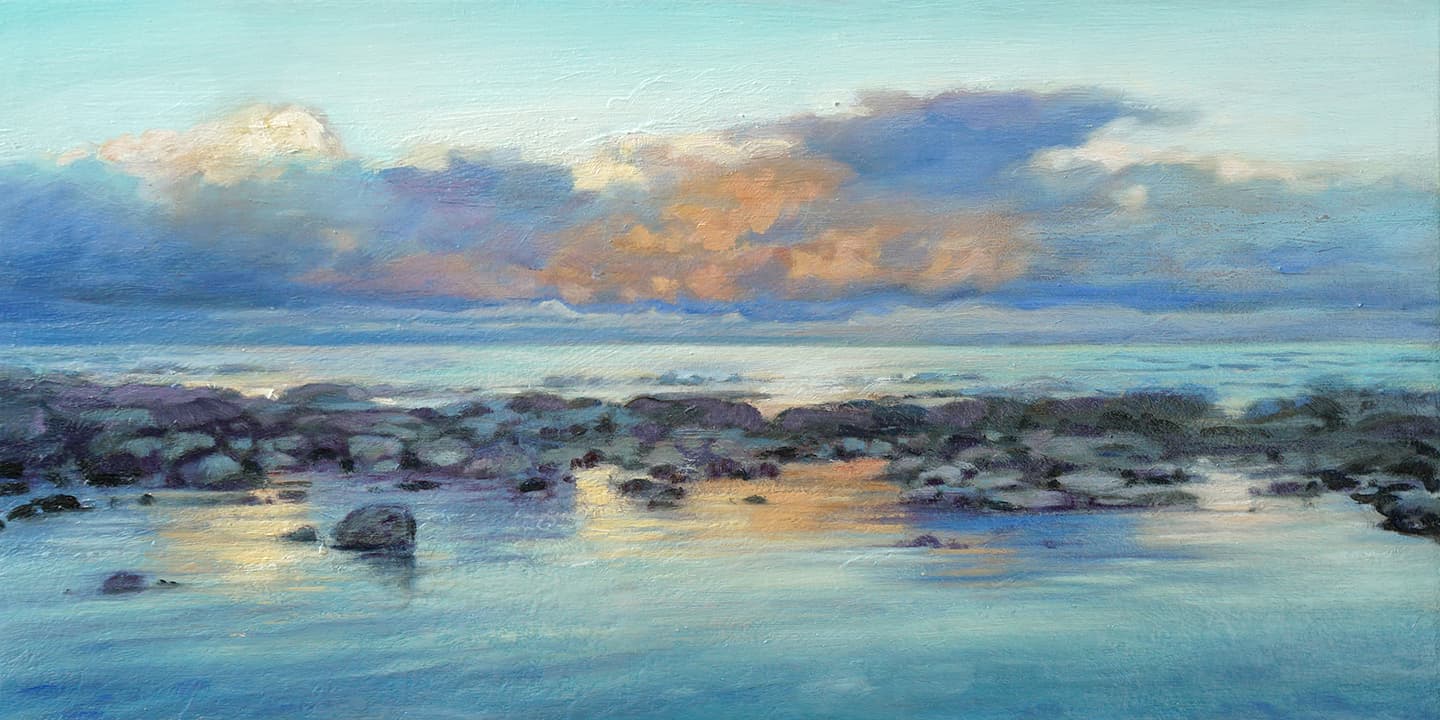
Between Tides
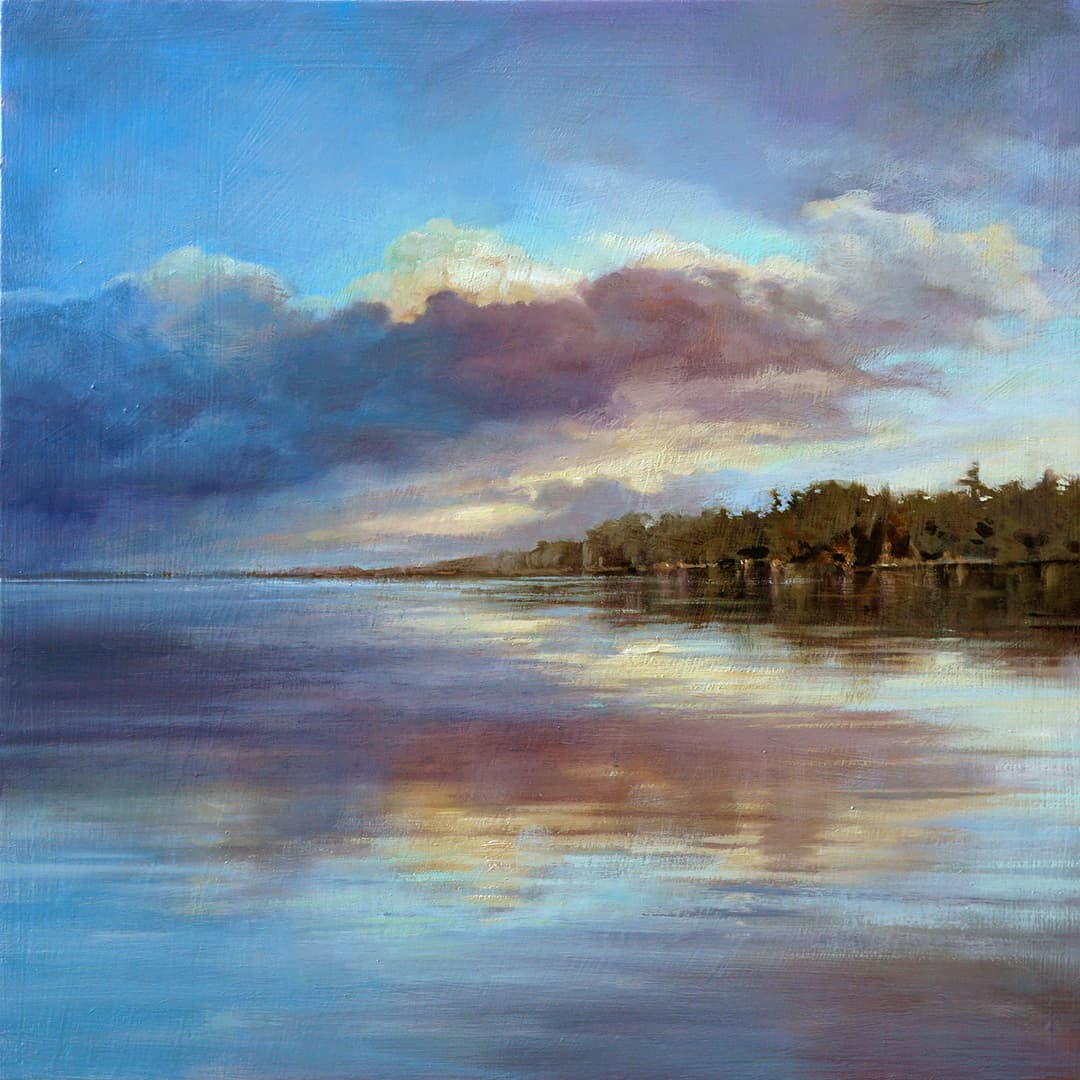
A Quiet Shore
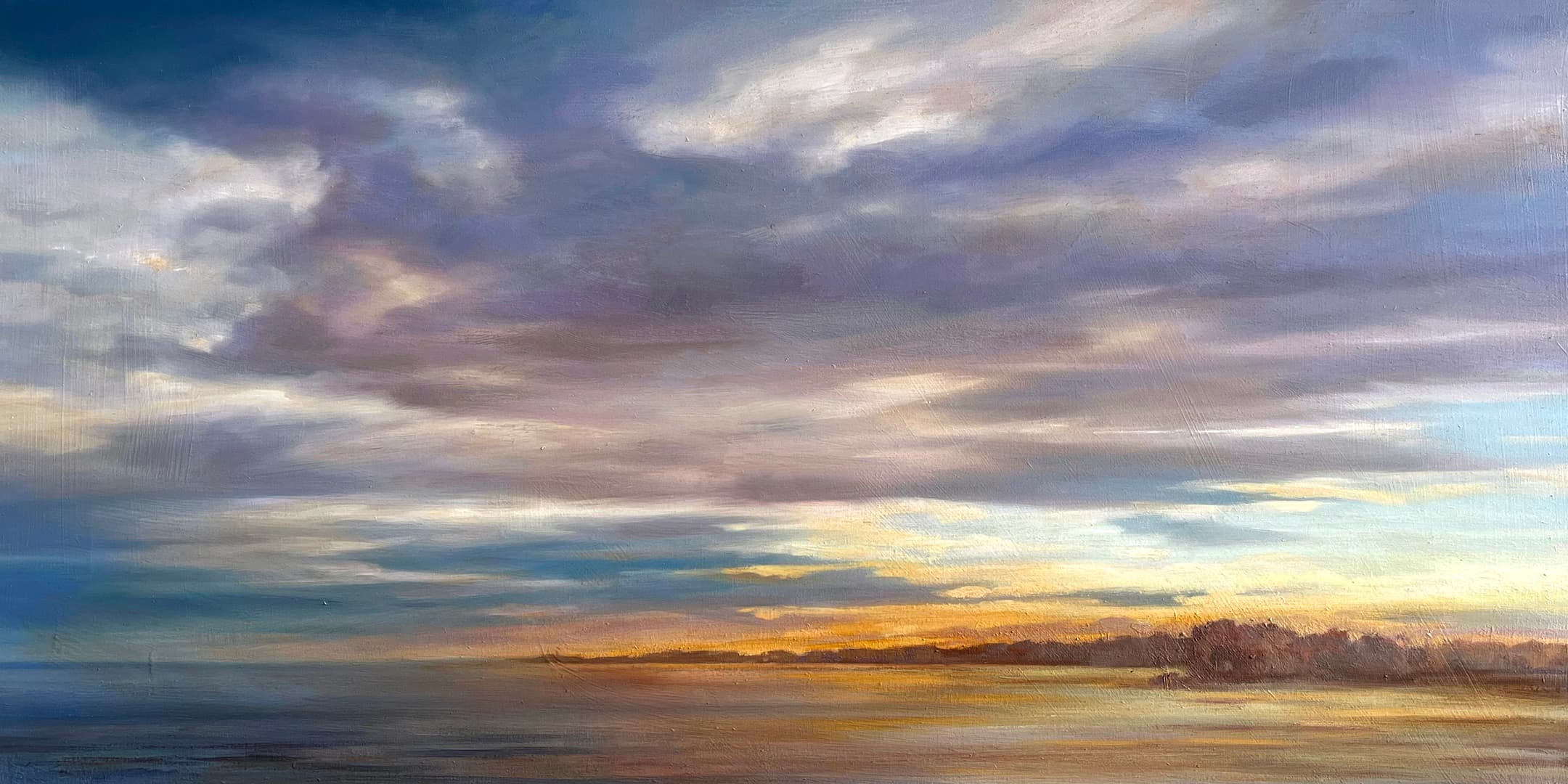
A Place That Remembers
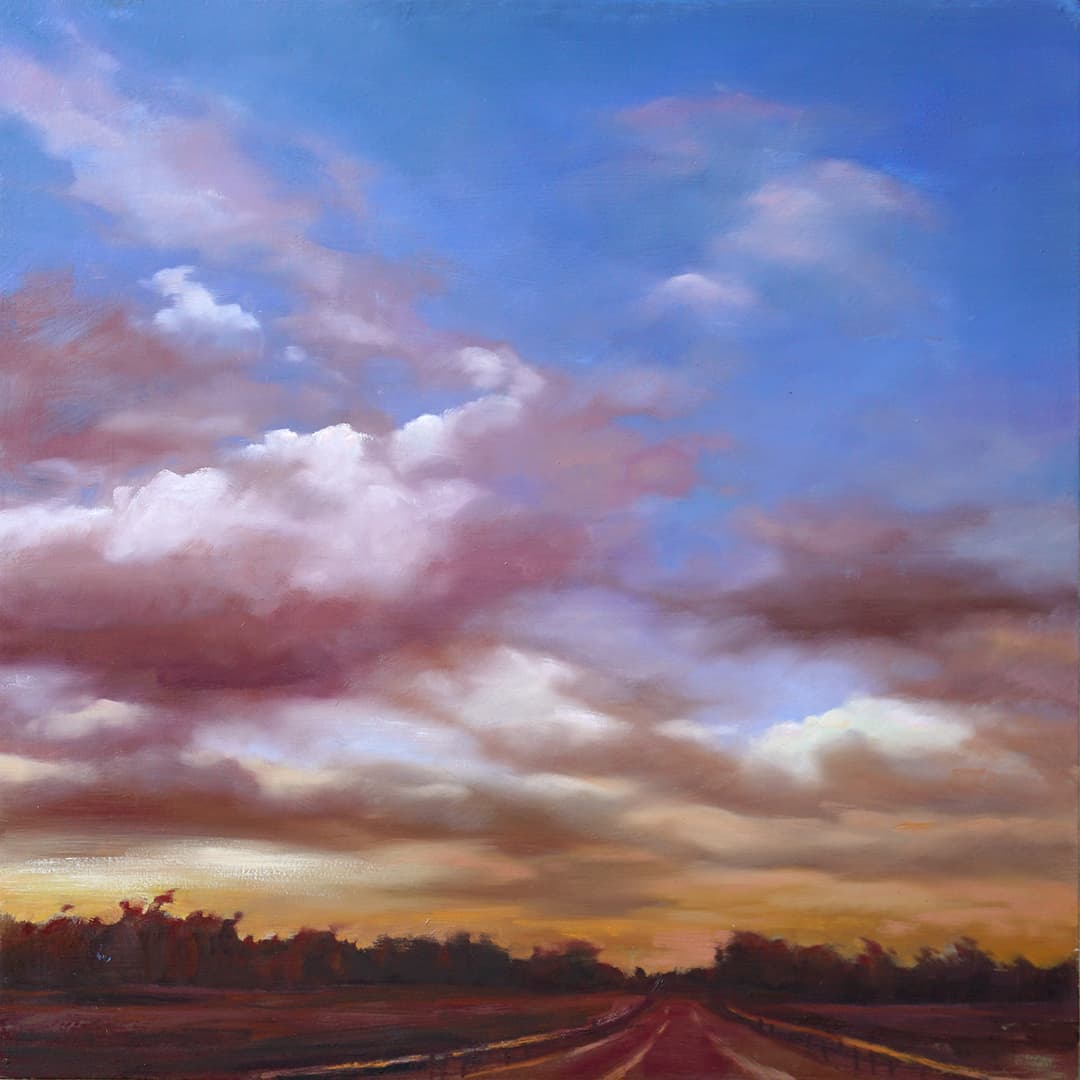
Revel In Silence
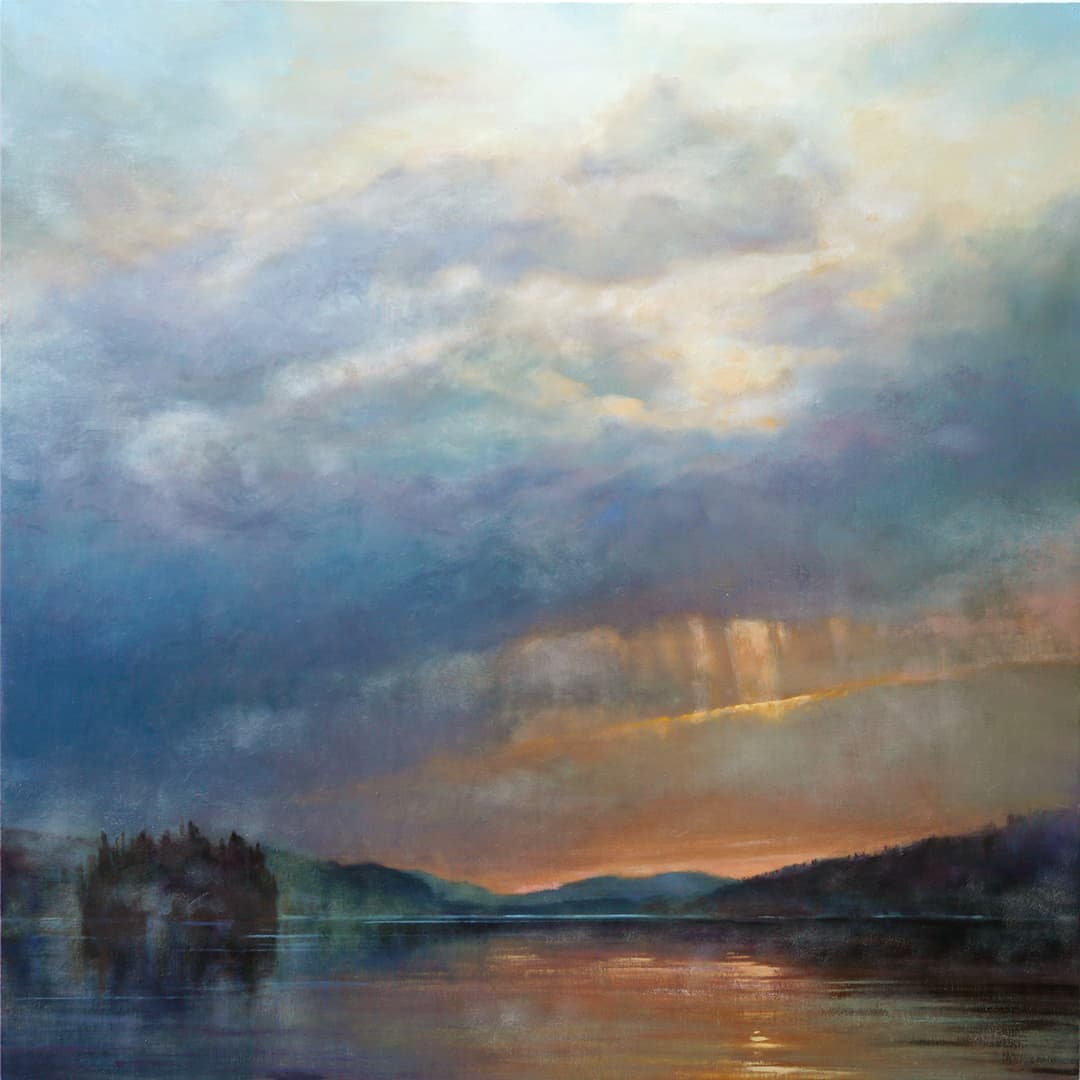
Skyfire
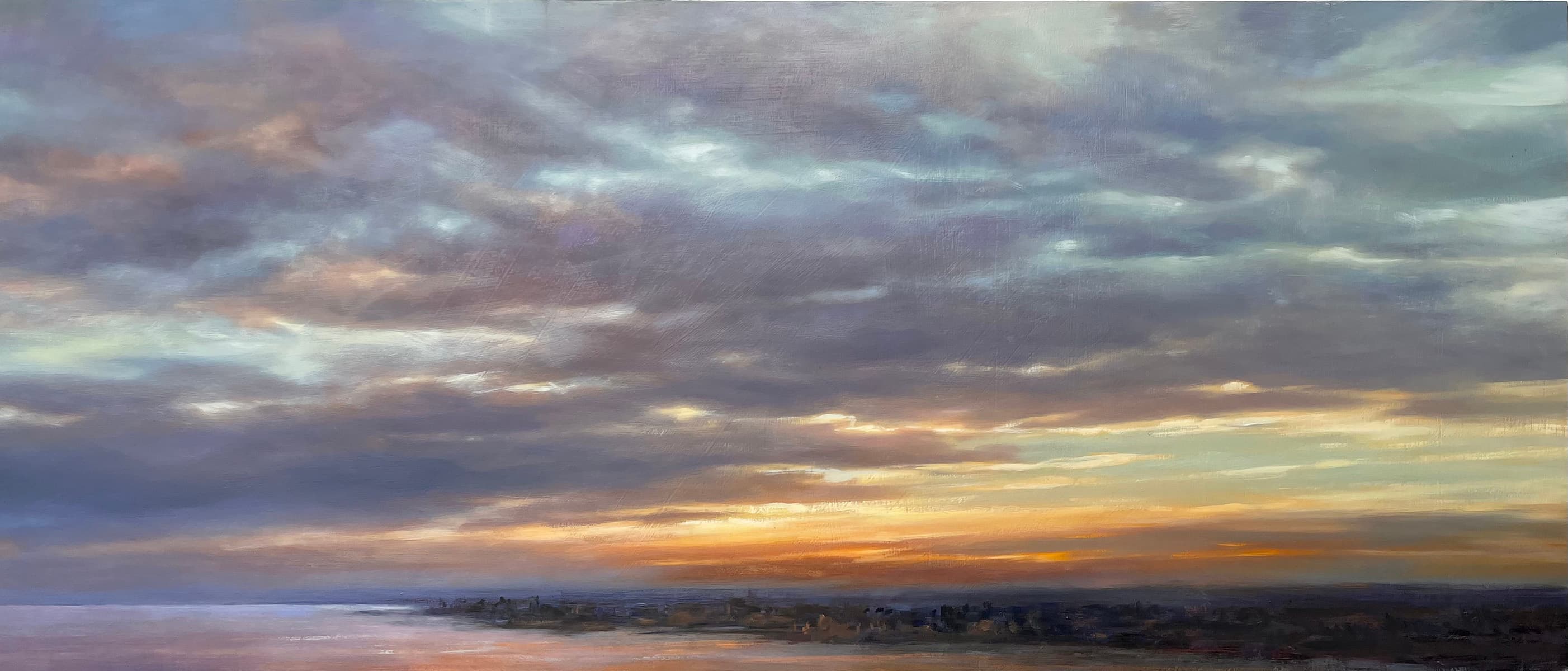
Embrace The Unknown
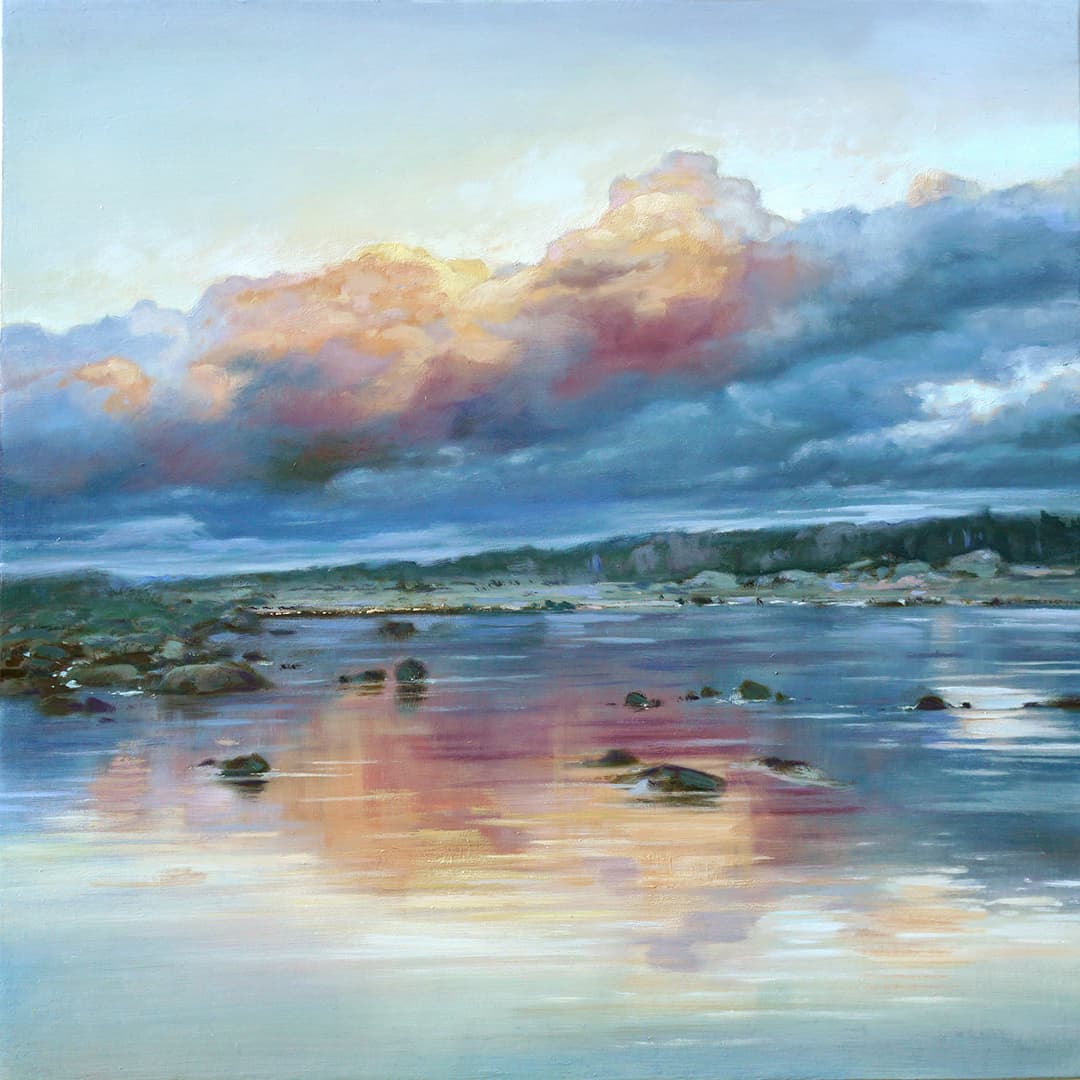
Passing Reflections
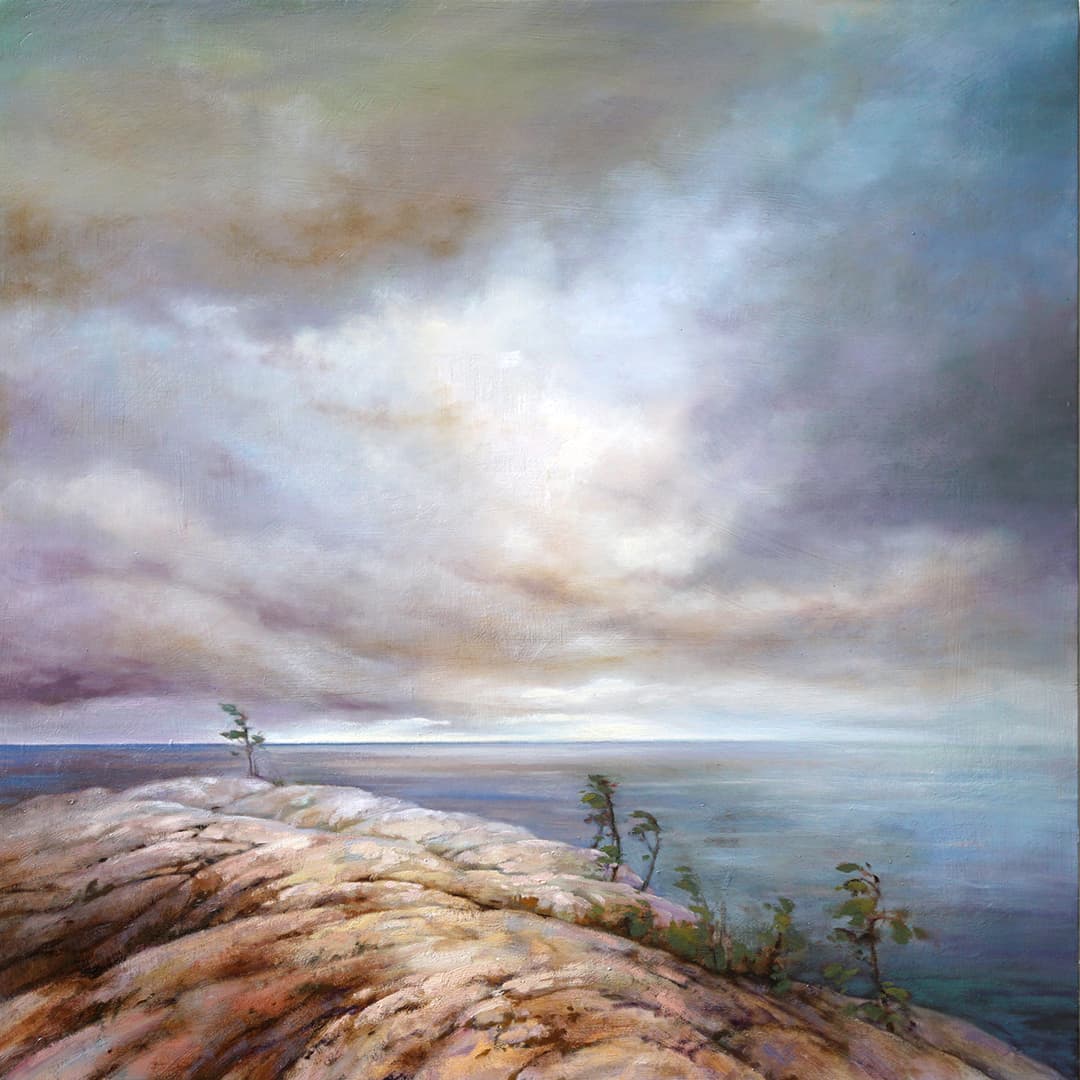
Late Light Lullaby
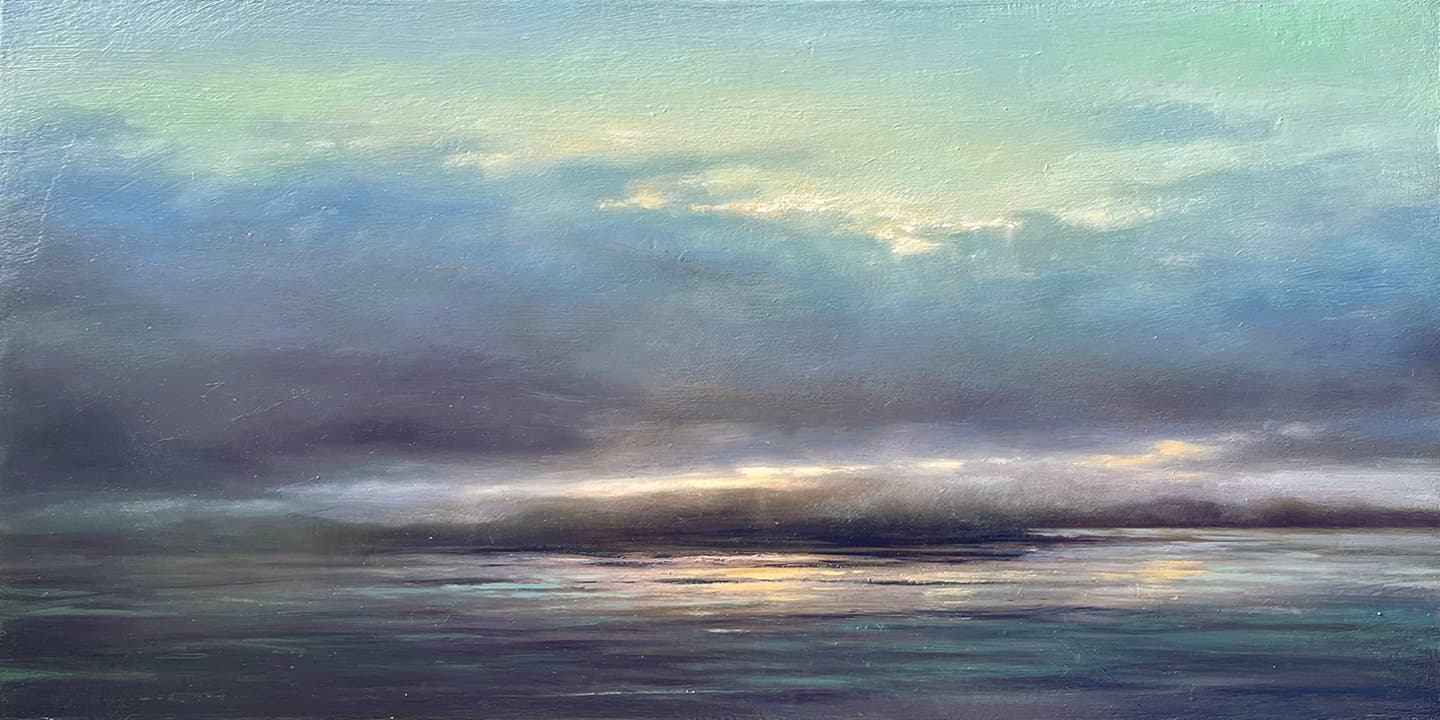
Created From Starlight
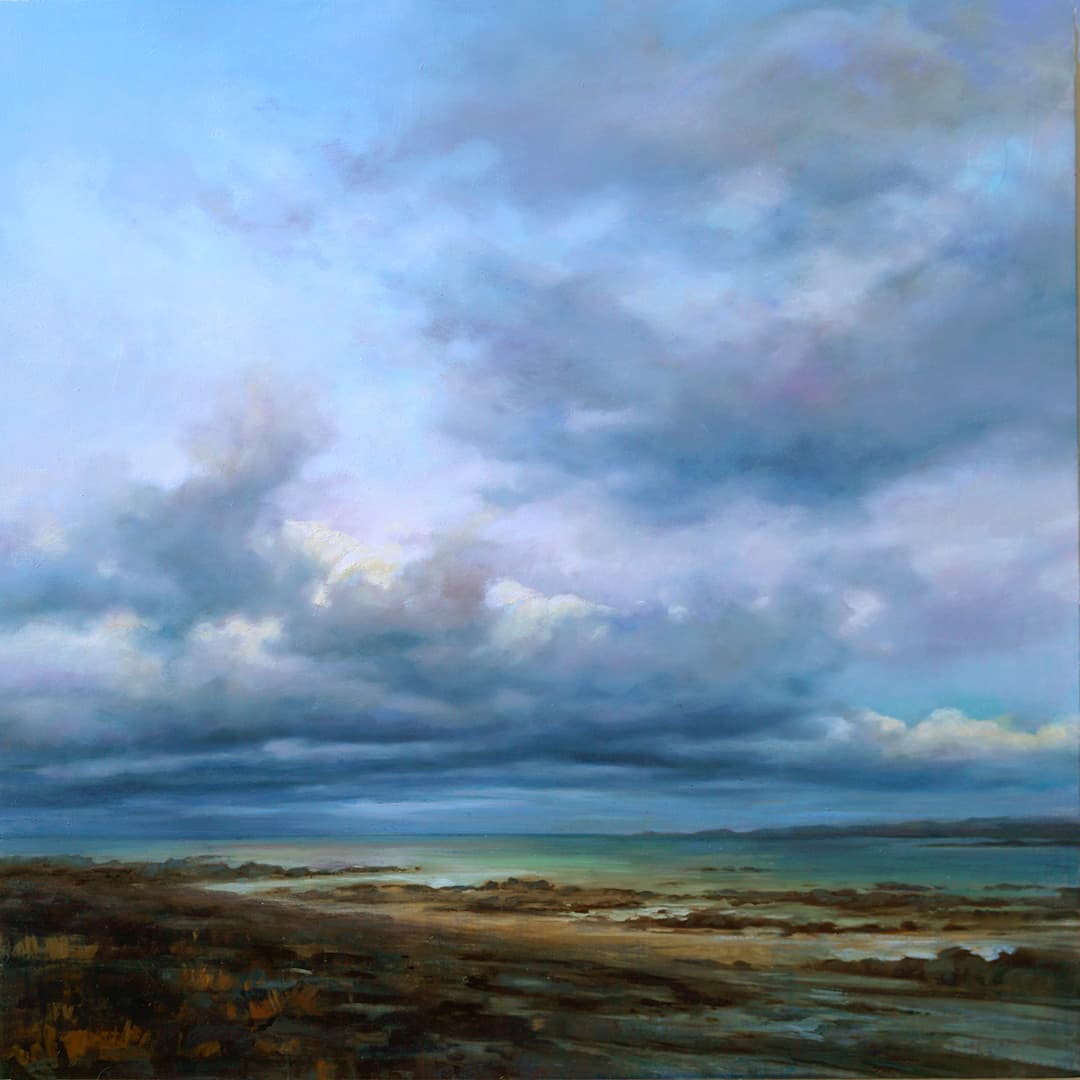
Tides of Solitude
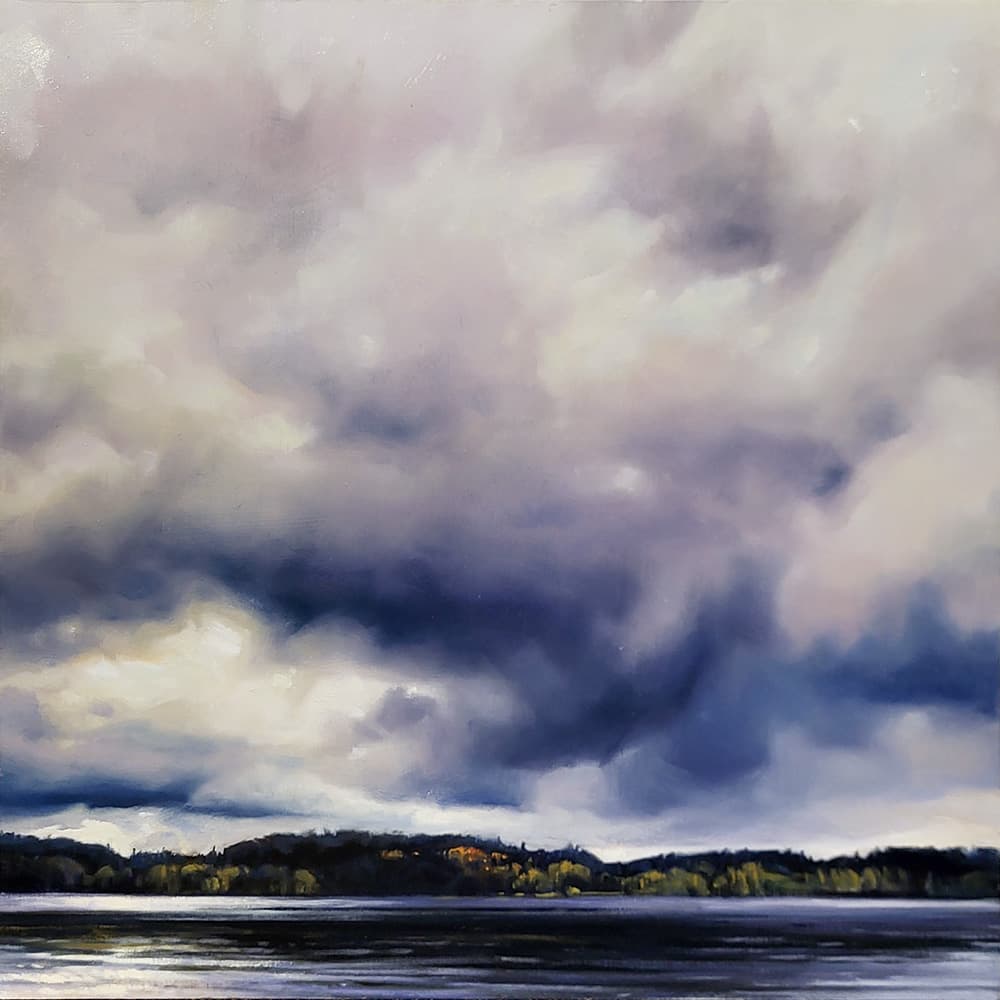
Boundless Place
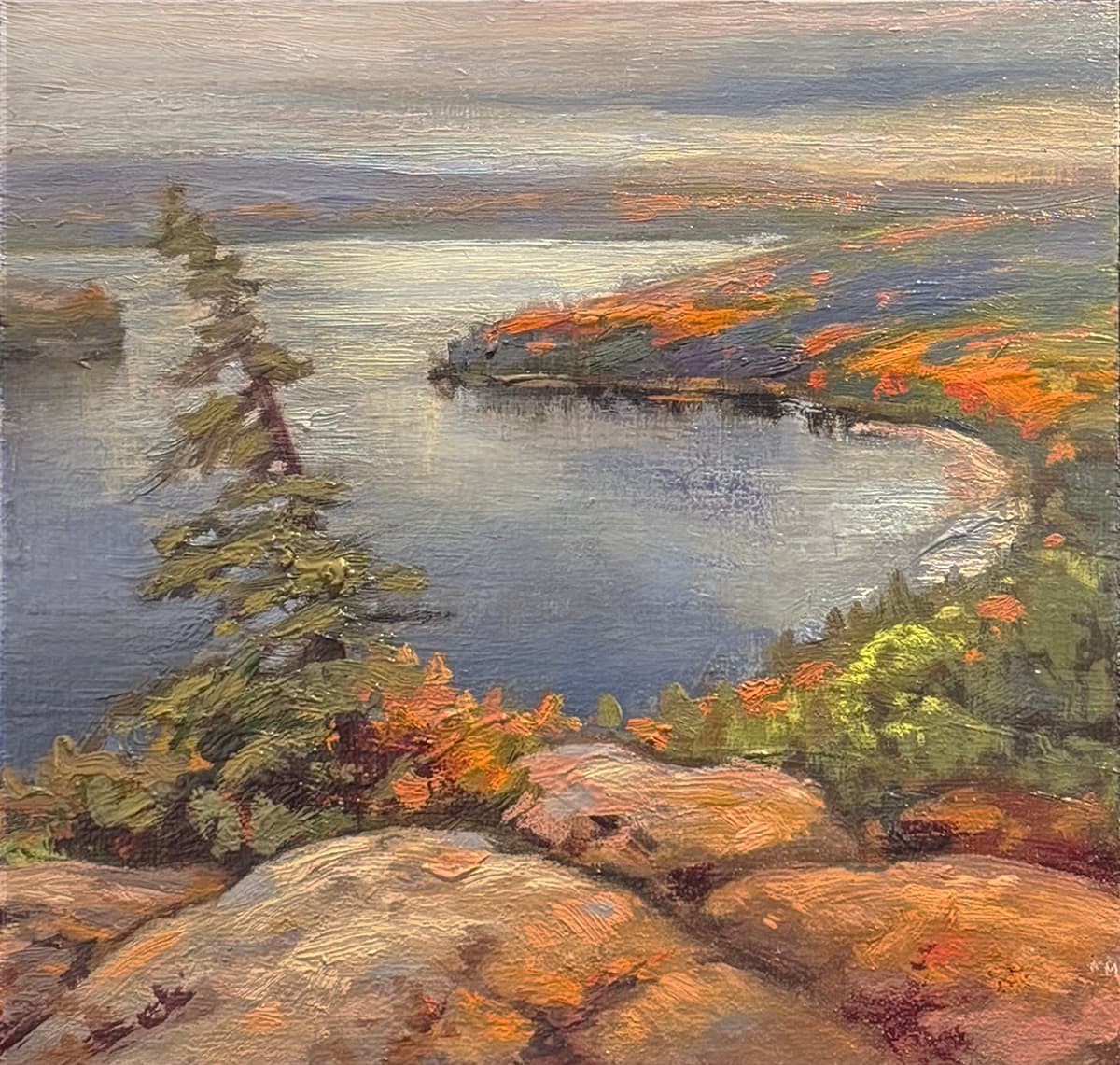
Still Silence, 2025
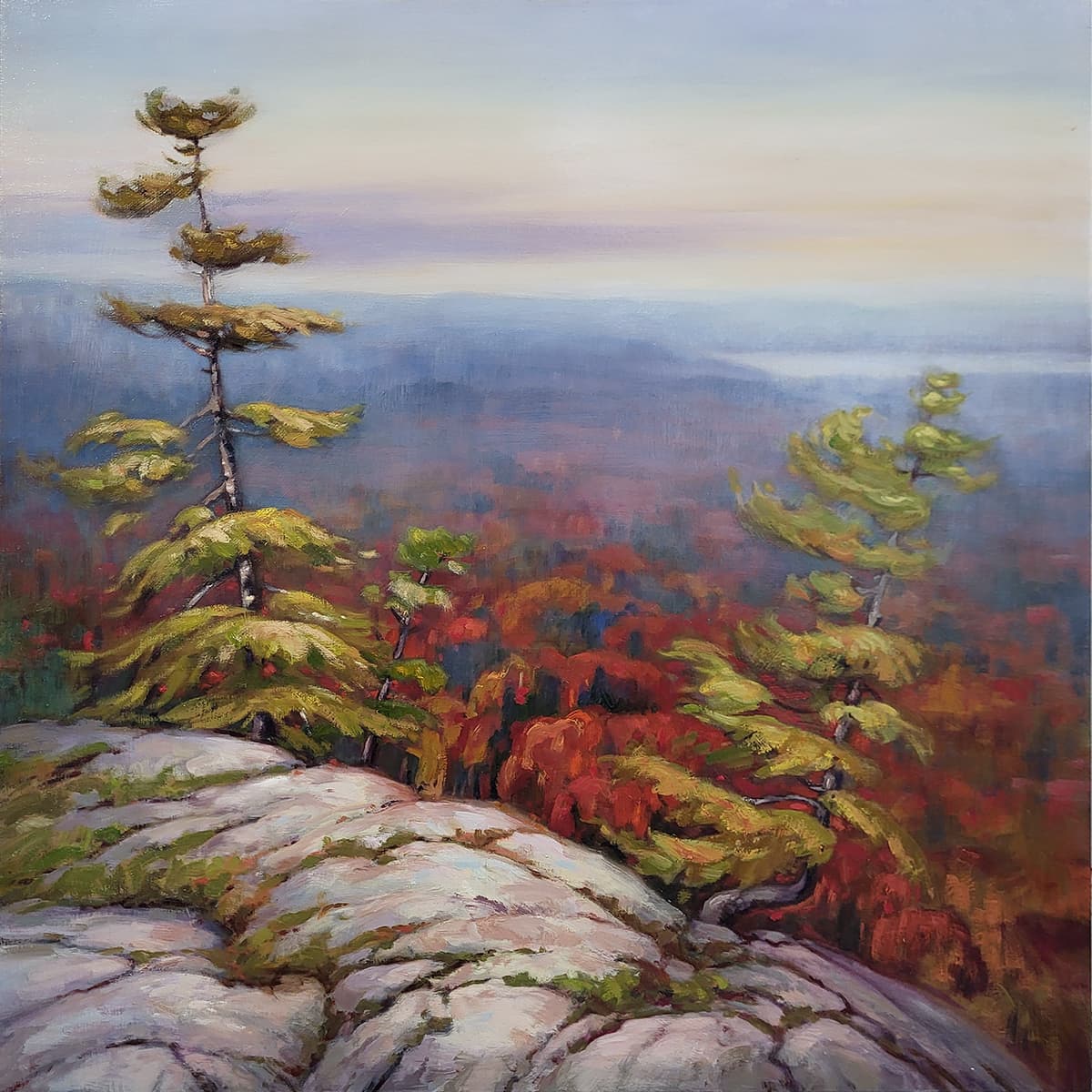
In The Wake Of Autumn
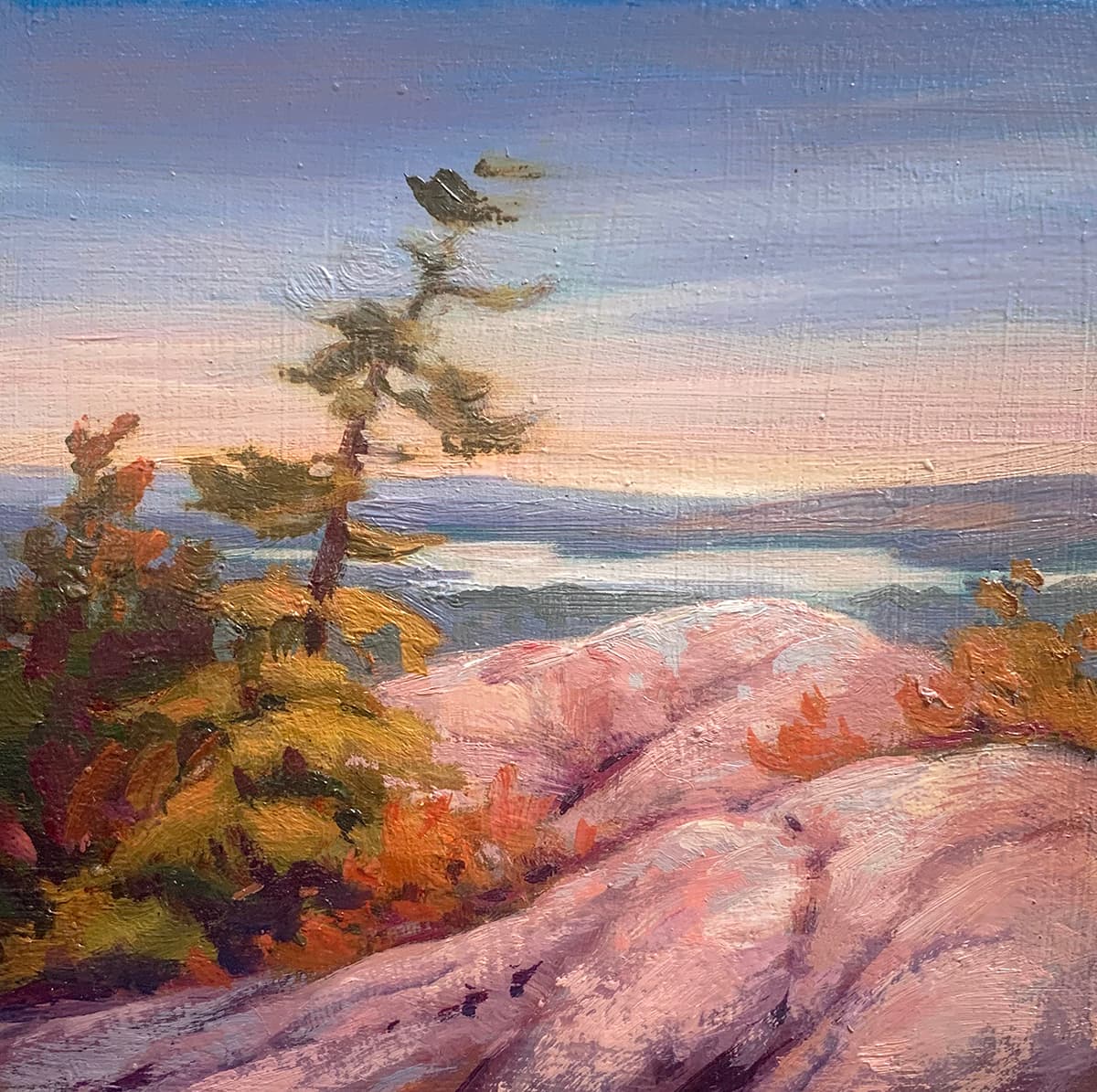
Sentinel, 2025
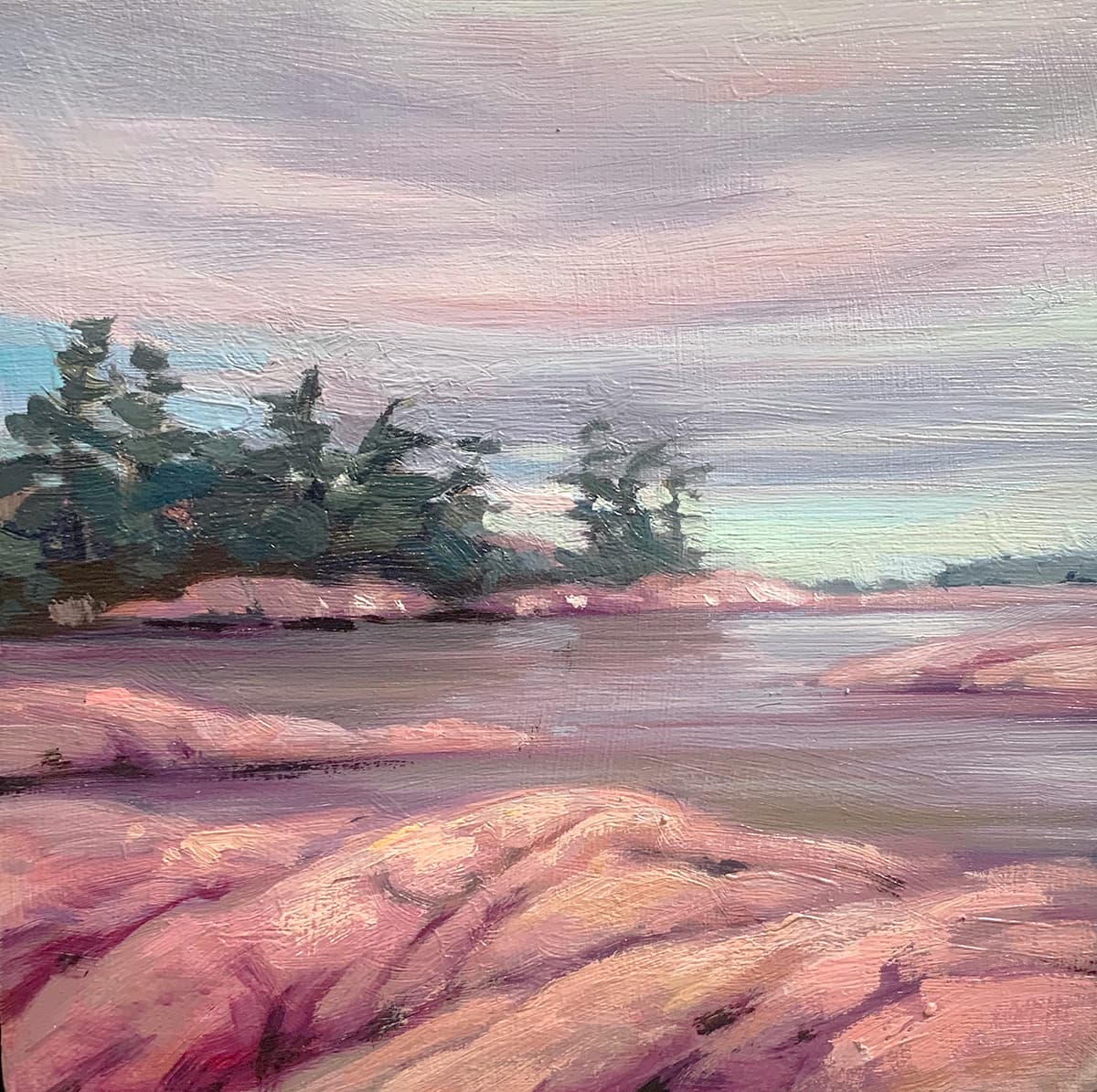
Mythos, 2025
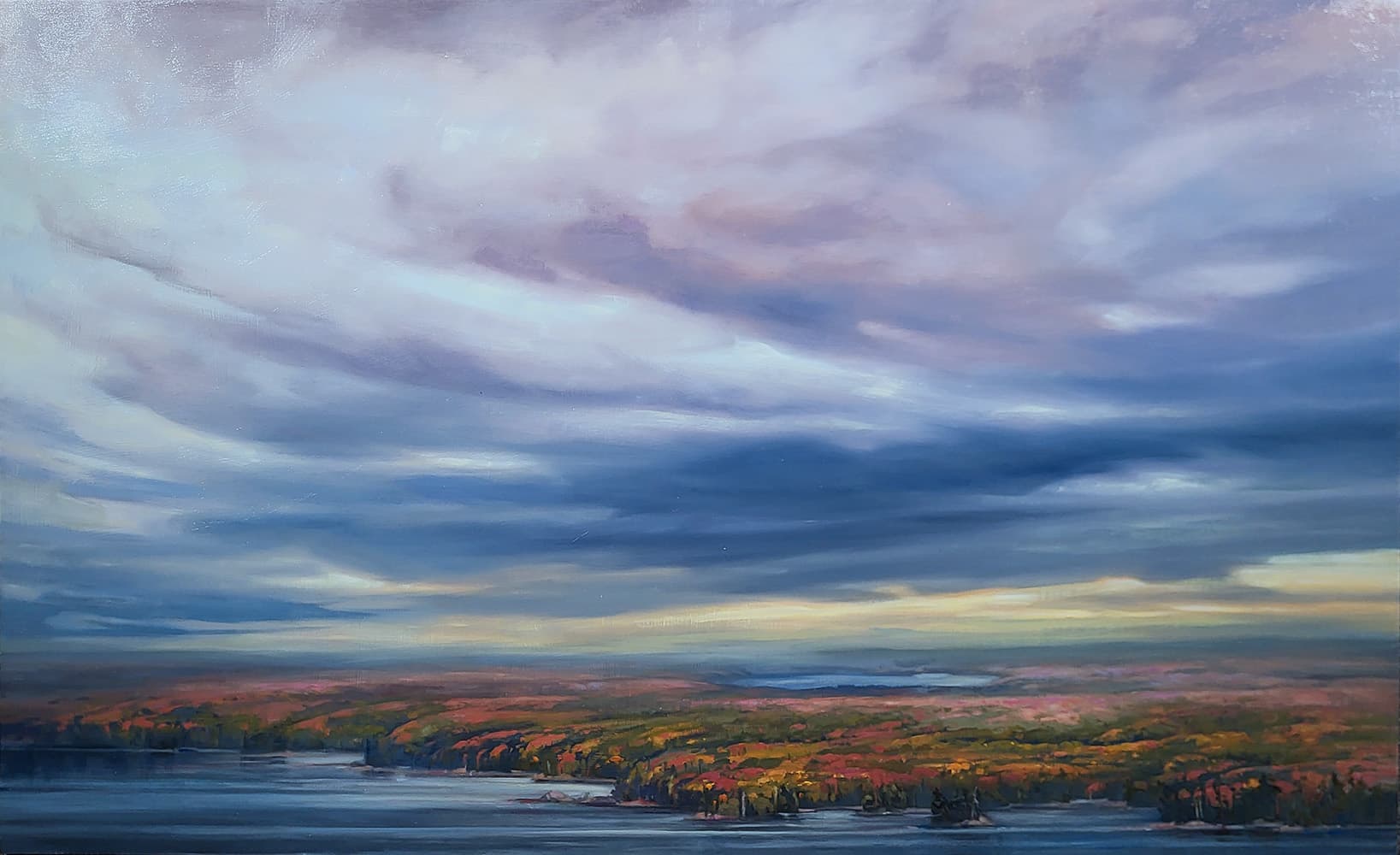
Force of Nature
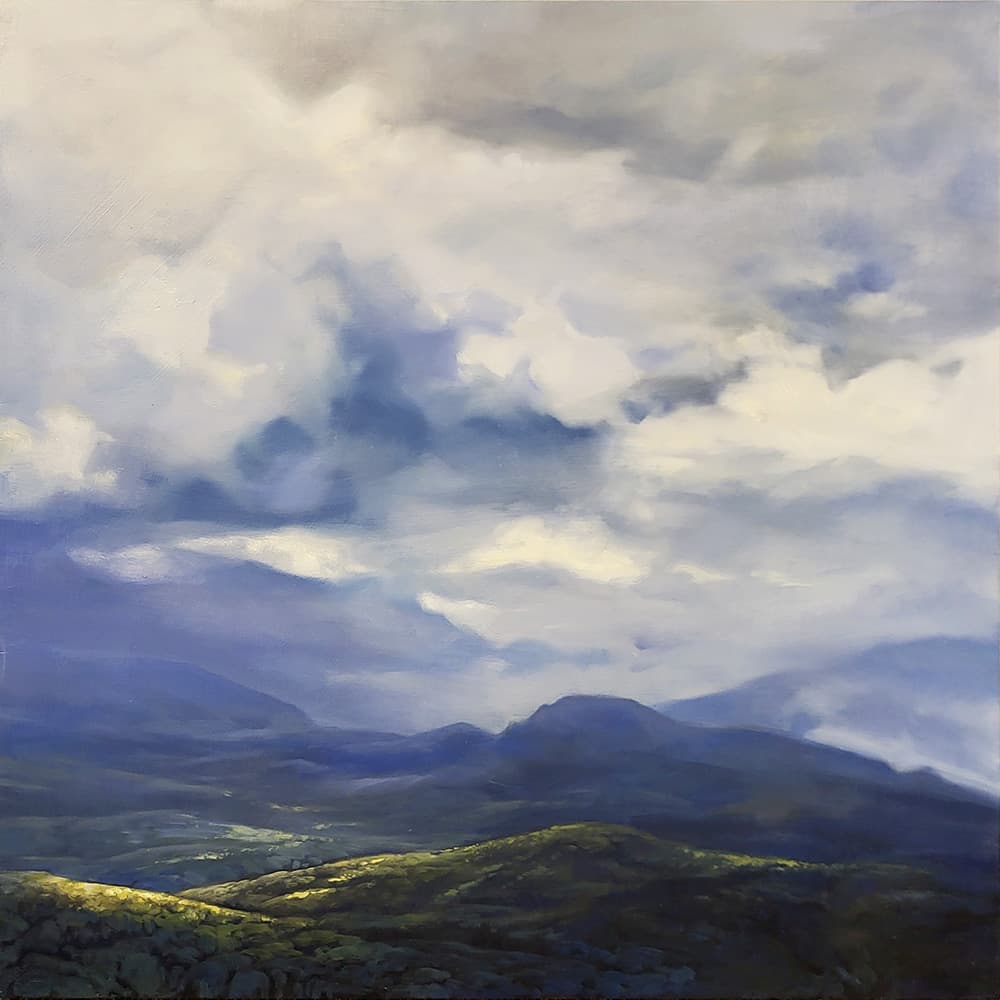
Another Pause
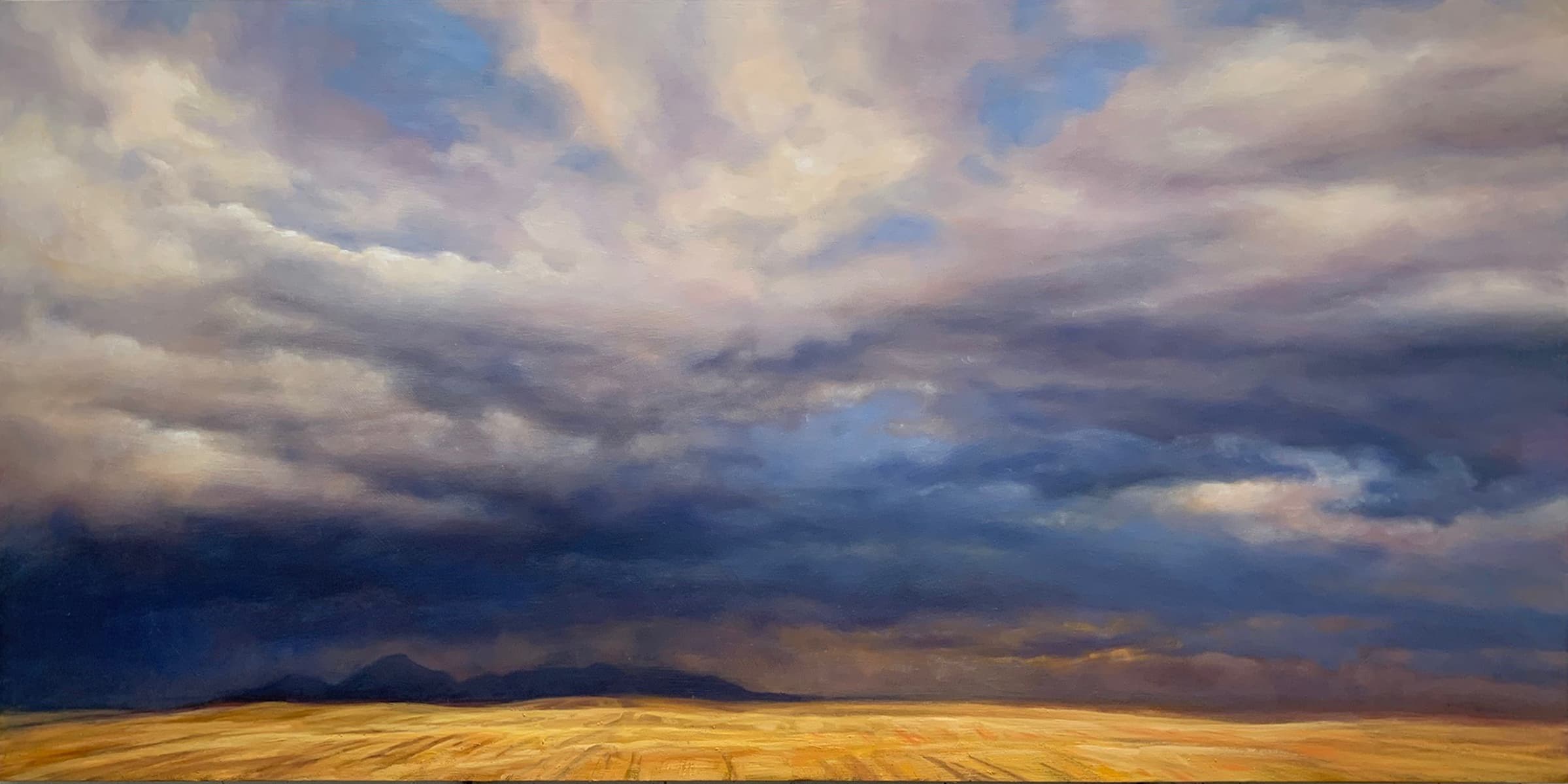
Her Prescence

Daydream
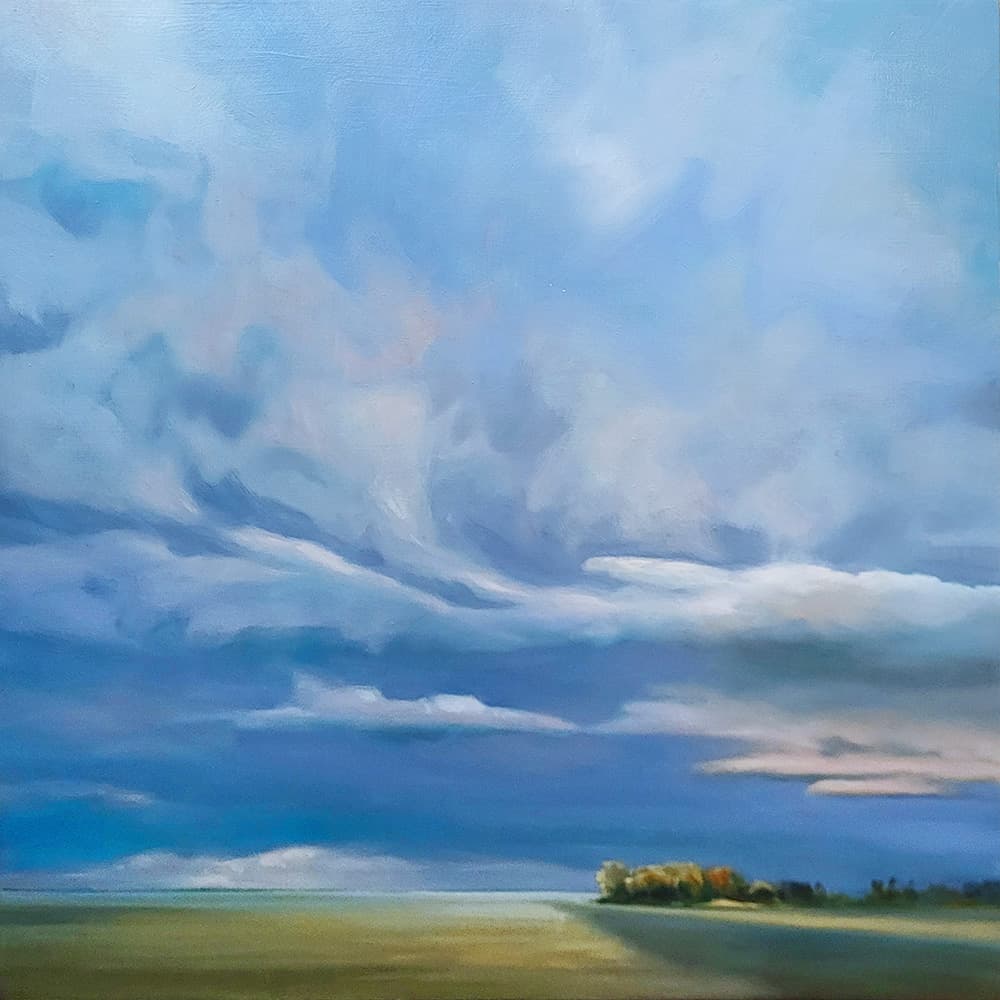
Tranquility
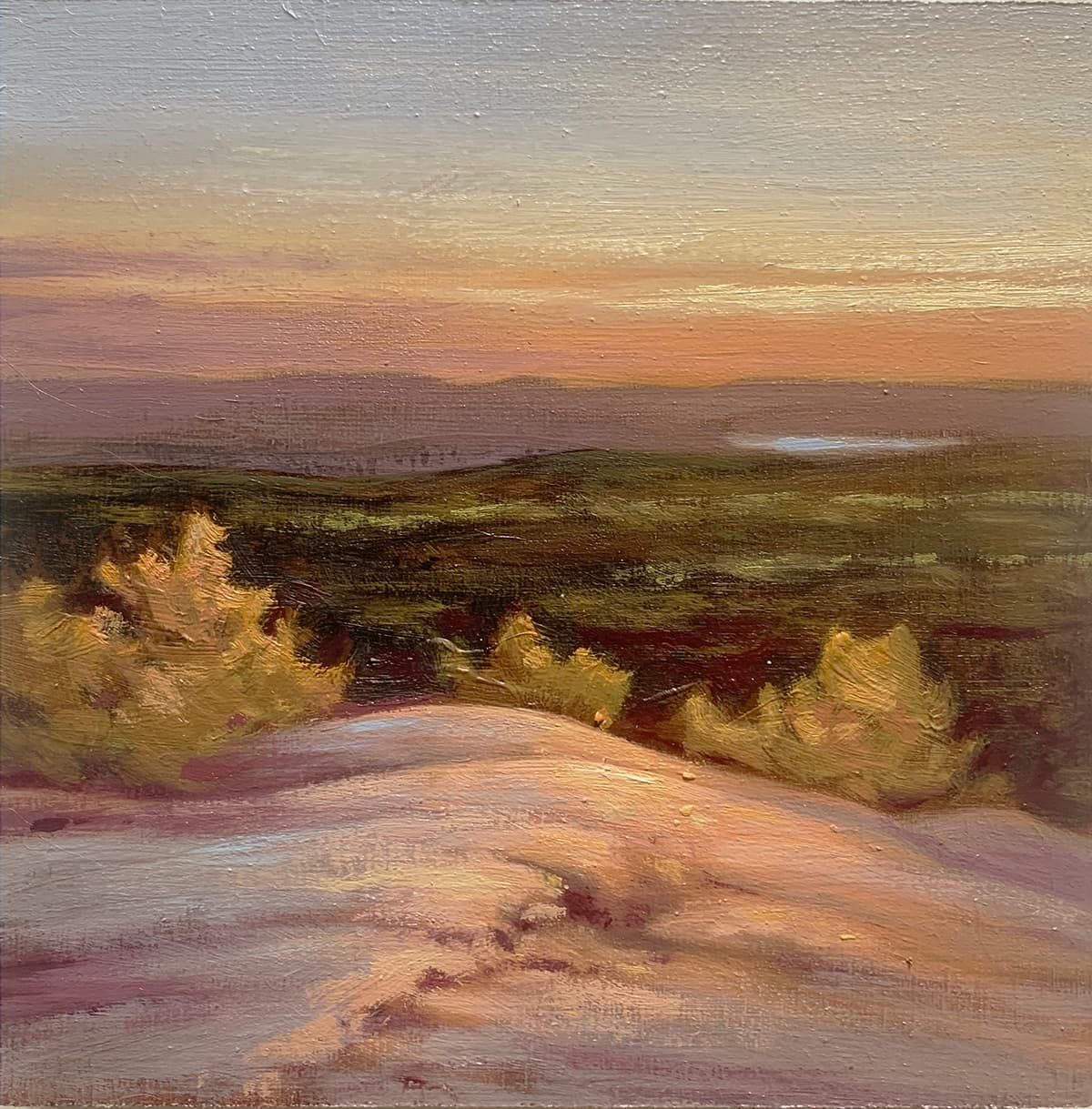
Sunset Echo, 2025
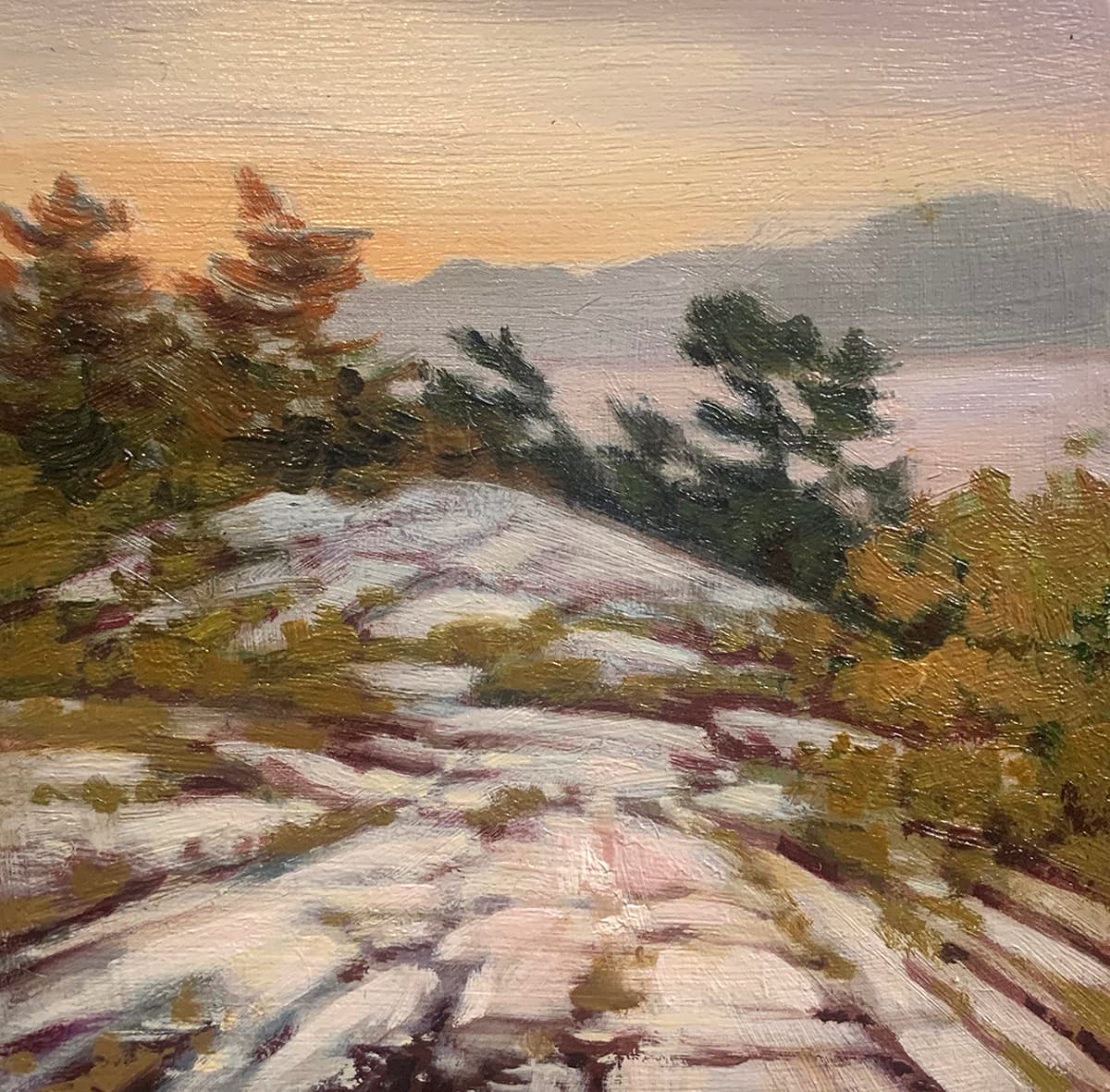
Eldritch, 2025
Catalogs
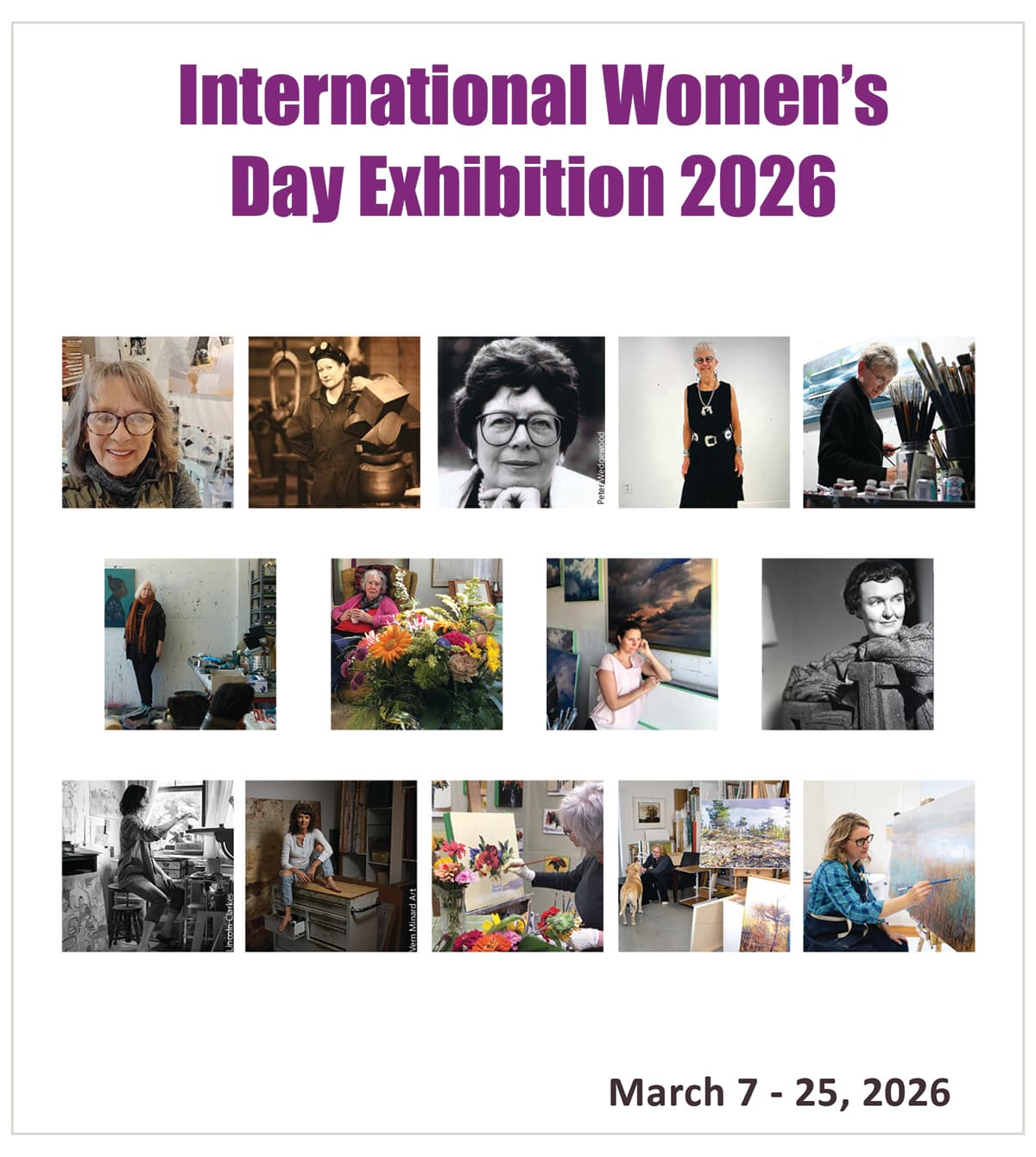
International Women’s Day Exhibition 2026
Opening reception: Saturday, March 14 from 2-5pm.
Our International Women’s Day Exhibition is up! Despite a water line break, we are now back to normal and have this incredible exhibition up!
This exhibition will highlight works by our women artist by including; Nancy Boyd, Isla Burns, Camrose Ducote, Jennifer Hornyak, Joice M Hall, Dorothy Knowles, Elza Mayhew, Amy Modahl, Elzbieta Krawecka, Hilda Oomen, Linda Nardelli, Robin Smith-Peck, and Diana Zasadny.
As 2026 mission for International Women’s Day (IWD) is #GiveToGain, any sales from this exhibition will have a percentage going towards Safe Haven. Safe Haven Foundation of Canada was born from one couple’s personal mission to develop a program dedicated to keeping homeless, and at-risk teenage girls safe, off the streets, and in school.
International Women’s Day (IWD) is a global day celebrating the social, economic, cultural and political achievements of women. The day also marks a call to action for accelerating gender parity. Significant activity is witnessed worldwide as groups come together to celebrate women’s achievements or rally for women’s equality.
As women in art have been overshadowed by their counter parts for so many years, the intent to highlight and applaud all our women artists from our roster by exhibiting them as a strong united group in one fabulous exhibition. Women of all genera of art will be on display and representing art from across Canada. This exhibition will celebrate the diversity and strength of art done by women in Canada.
Historically women have been overshadowed in the arts by their counter-parts for so many years. It is just until recent years that we see women starting to flourish in the artists. Great artists such as Mary Pratt, Helen Frankenthaler, Georgia O’Keefe, and Emily Carr have paved the way for today’s women in the arts. This show is to exemplify the strong and = innovative art that women artists of today are creating.
Biography
Elzbieta was born in Krakow and raised in Poland and the Middle East. She is now based in Toronto.
Her exposure to different cultures gave her an appreciation for travel, and by moving to Canada to attend the Ontario College of Art and Design, she developed a love for the Canadian landscape. This background is strongly reflected in her work as an oil painter.
Elzbieta uses thick and opaque paint, often applied with a palette knife, alongside translucent glazes of thinner washes. While experimenting with the technique and continuing to pursue travel, which inspires her work, she strives to continue pushing the boundaries of landscape painting and developing her own contemporaneity.
Perhaps as a natural response to the vastness of the North American continent, coupled with the vacuity of the Kuwaiti desert, her paintings depict large areas of open spaces such as skies or water, defined by pattern formations.